Teaching and Learning Gaps
Schools need stronger support to improve teaching quality, classroom practice, and student learning outcomes.
Education is at the heart of our work.
STEPPED works to improve the quality of education for children in remote communities of Sirijangha and Phaktanglung Rural Municipalities in Taplejung. The project supports schools to become inclusive, child-friendly, and high-performing learning environments by strengthening teaching quality, school leadership, infrastructure, and student support. STEPPED aims to ensure that children, regardless of their location or background, have access to safe and quality education.
The project began in the region in 2007, with Himalayan Trust UK supporting education development in northern Taplejung, and Samarthya Foundation taking on the project from May 2026.
Baseline study conducted in northern Taplejung
Education project launched
Project expanded to additional communities
Further expansion
Additional schools incorporated
Samarthya Foundation begins implementing the next phase of the project
STEPPED builds on nearly two decades of education work in Taplejung, carrying forward the experience and lessons of earlier phases while beginning a new chapter under Samarthya Foundation in 2026.
Children in remote communities of Taplejung continue to face barriers that affect the quality, continuity, and overall experience of their education.
STEPPED responds to these challenges by strengthening teaching, improving school environments, supporting students, and building stronger local systems around schools.
Schools need stronger support to improve teaching quality, classroom practice, and student learning outcomes.
Students need better access to books, learning materials, technology, and well-equipped classroom environments.
Some students face financial and social barriers that affect attendance, retention, and further education.
Schools need stronger leadership, governance, planning, and community participation to sustain long-term improvements.
STEPPED brings these areas together to help schools become stronger, safer, more inclusive, and better able to support every child’s learning.
STEPPED works across five connected areas to strengthen teaching and learning, support students, improve school environments, and build stronger school leadership in remote communities of Taplejung.
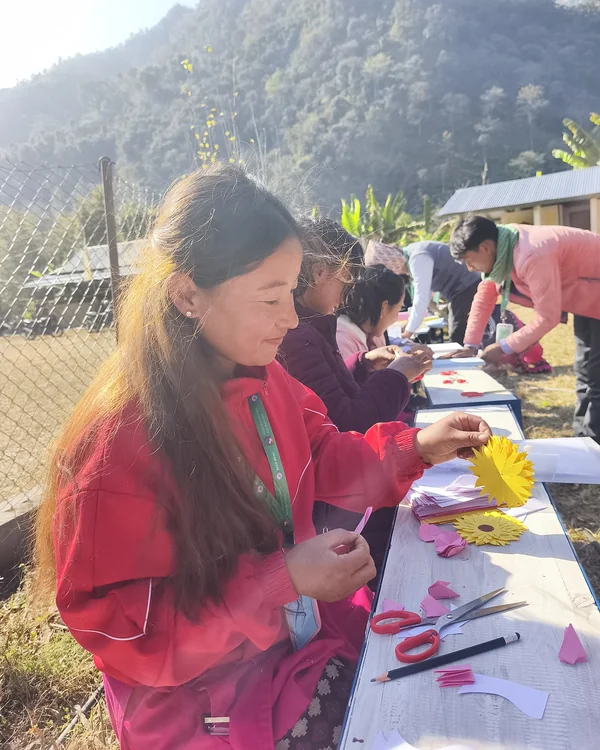
Stronger teaching for better learning.
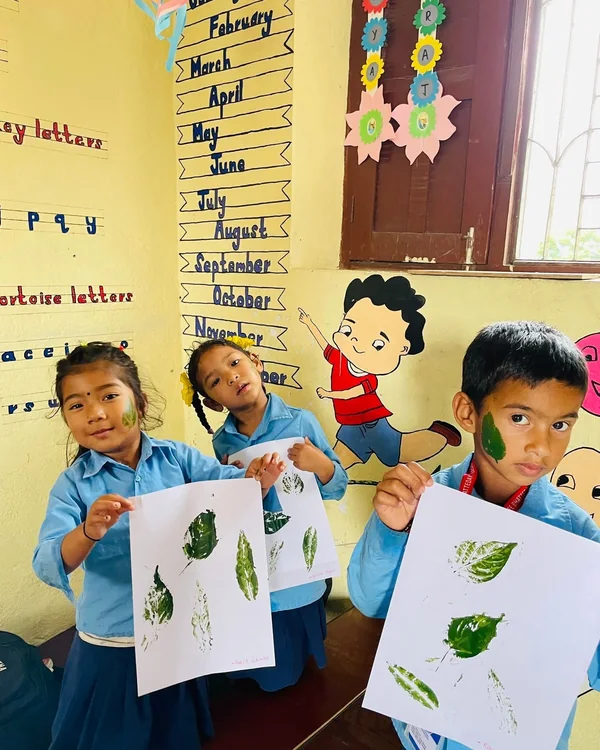
Welcoming schools where every child belongs.
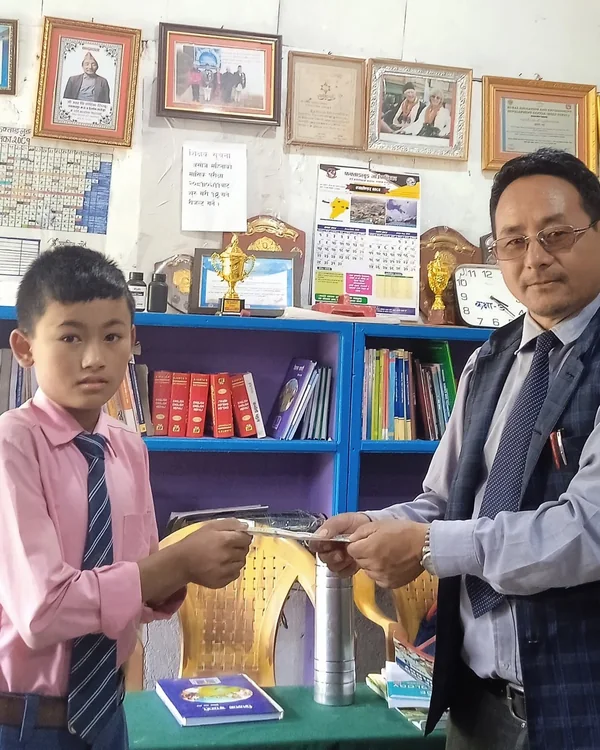
Helping students stay in school and progress.
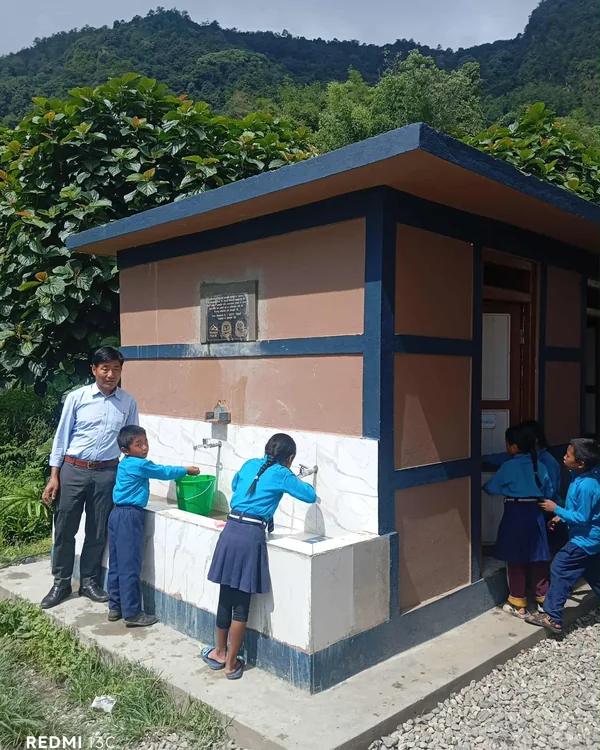
Safer spaces for children to learn.
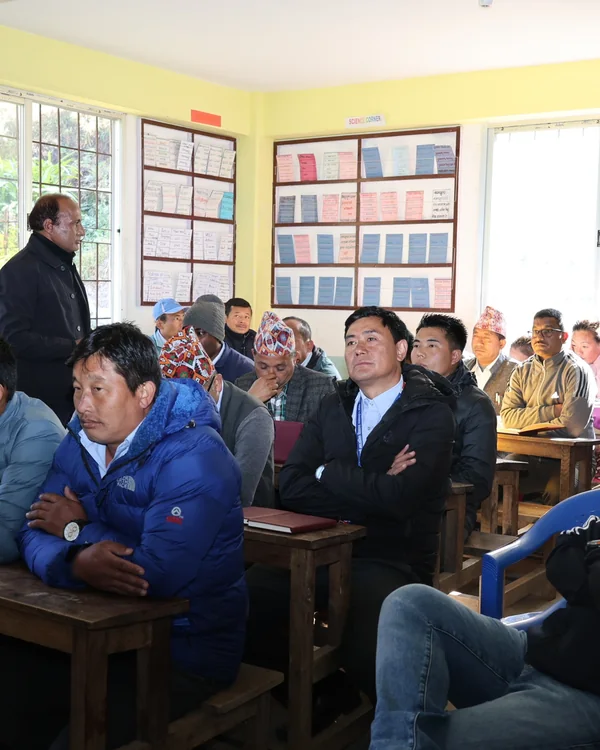
Stronger leadership for lasting school improvement.
STEPPED strengthens classroom teaching through teacher development, child-centred approaches, MGML, learning materials, and educational technology. The focus is on helping teachers create engaging classrooms where students can participate actively and improve their learning outcomes.
Core Activities:
STEPPED supports schools to become inclusive, child-friendly, and supportive learning environments. The project strengthens early childhood education, student participation, hygiene, environmental awareness, and inclusive school practices.
Core Activities:
STEPPED helps students remain in school, continue their education, and pursue future opportunities. Special attention is given to girls, marginalized children, and students facing financial or social barriers.
Core Activities:
STEPPED helps schools create safe, healthy, and well-equipped spaces for learning. The project supports school infrastructure, WASH facilities, classroom resources, and other improvements linked to child-friendly school standards.
Core Activities:
STEPPED works with school leaders, School Management Committees, Resource Leader Teams, and local stakeholders to strengthen school management, planning, accountability, and community participation.
Core Activities:
STEPPED works with the people and structures that shape a child’s education. By engaging students, teachers, families, school leaders, and local education bodies, the project supports lasting improvements in learning and school development.
Children and young people in participating schools, with particular attention to girls, marginalized groups, and students facing barriers to education.
Teachers receive training, classroom support, and opportunities to strengthen child-centred teaching, MGML, and the use of educational technology.
Parents and community members are encouraged to take an active role in school activities, student learning, and creating supportive learning environments.
STEPPED works with SMC members to strengthen school planning, governance, accountability, and local ownership.
Head teachers and Resource Leader Teams receive support to strengthen school management, teacher support, and educational leadership.
The project works with rural municipalities and education stakeholders to strengthen coordination, local capacity, and long-term support for schools.
STEPPED builds on nearly two decades of education work in Taplejung. Since the project first began in 2007, schools in the project area have seen improvements in student retention, attendance, learning achievement, school participation, classroom resources, and access to further education.
Student dropout in the project area fell from 13.3% in 2009 to 1.2% in 2024/25.
Student attendance reached 89% in 2024/25, while teacher attendance reached 89.3%.
332 students participated directly in 20 child clubs, building leadership, environmental awareness, and participation in school activities.
Supported schools had access to at least 70 additional reading books, with eight schools having established libraries at the time of reporting.
106 students received higher education scholarship support since the scholarship project began in 2013/14.
STEPPED, implemented by Samarthya Foundation, builds on this long-standing experience to strengthen teaching and learning, create inclusive and child-friendly schools, improve school leadership, and expand opportunities for students across Sirijangha and Phaktanglung Rural Municipalities.