86.5% 19.5%
Staying in School
The Grade 5 completion rate is 86.5%, compared with 19.5% for Grades 9–12.
NSO & UNICEF · Nepal MICS 2024–25We work with schools, teachers, families, and local governments to help children learn, participate, and thrive in safe classrooms.
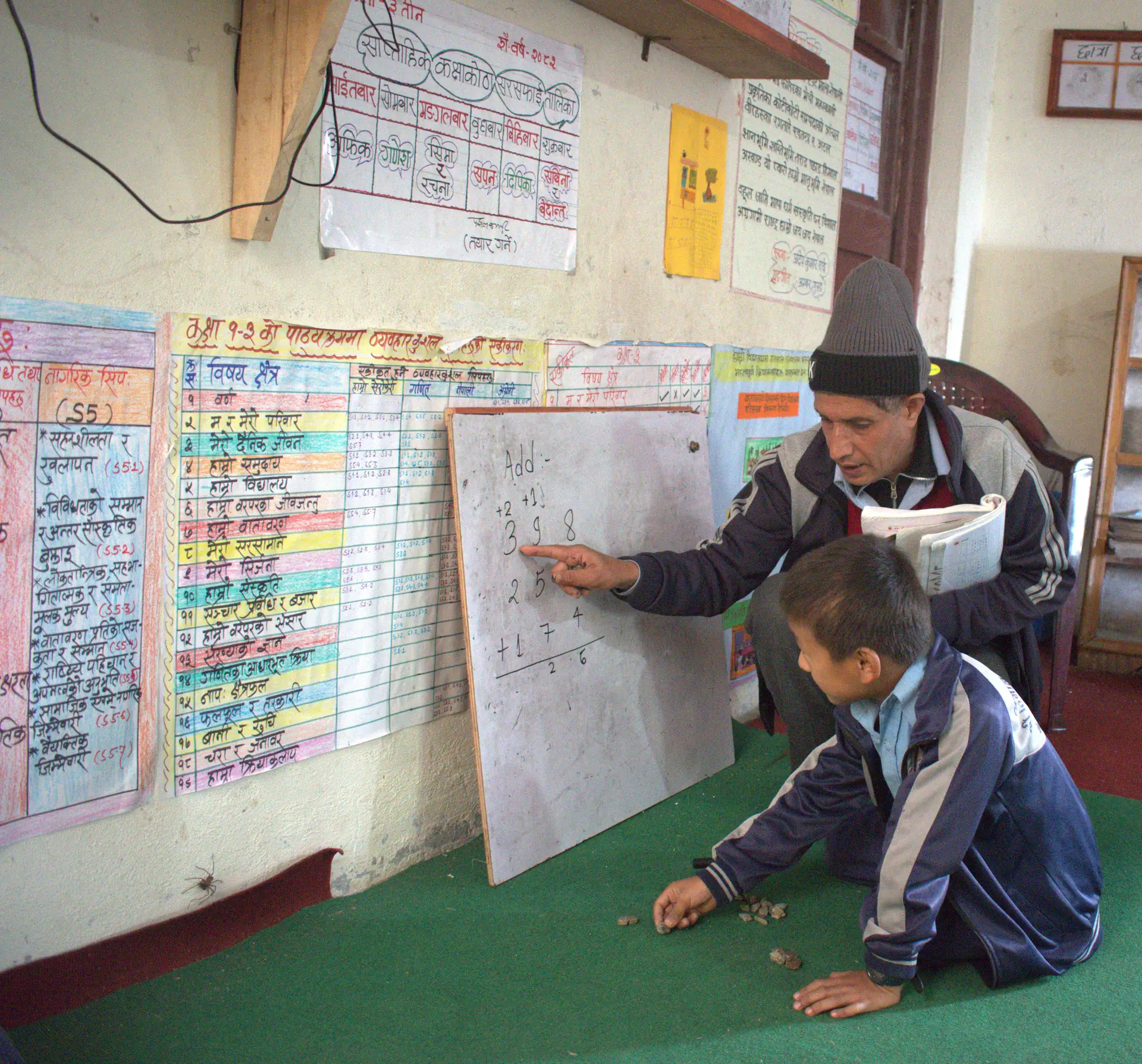
Education outcomes in Nepal have improved, but too many children still face barriers to completing school, building foundational skills, overcoming poverty, and learning in safe and supportive environments.
86.5% 19.5%
The Grade 5 completion rate is 86.5%, compared with 19.5% for Grades 9–12.
NSO & UNICEF · Nepal MICS 2024–2537.1% / 30.6%
Among children aged 7–14, 37.1% demonstrate foundational reading skills in Nepali and 30.6% demonstrate foundational numeracy skills.
NSO & UNICEF · Nepal MICS 2024–2520.27%
20.27% of Nepal’s population lives below the official 2022–23 poverty line, with rural poverty higher than urban poverty.
National Statistics Office · NLSS IV 2022/2336%
Around 36% of girls in upper-secondary school reported difficulty participating in education or training because of menstruation. Safe, private WASH facilities matter.
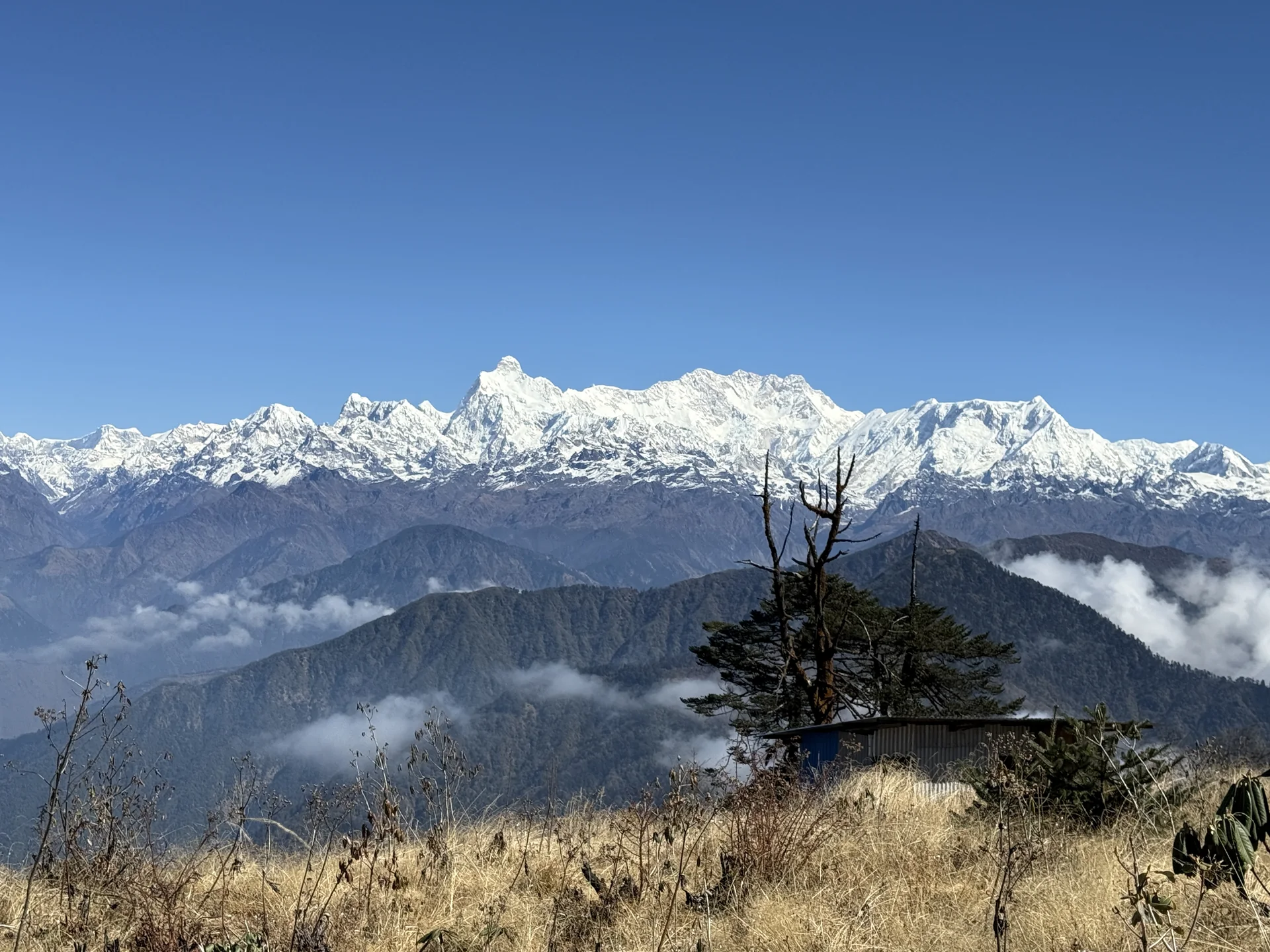
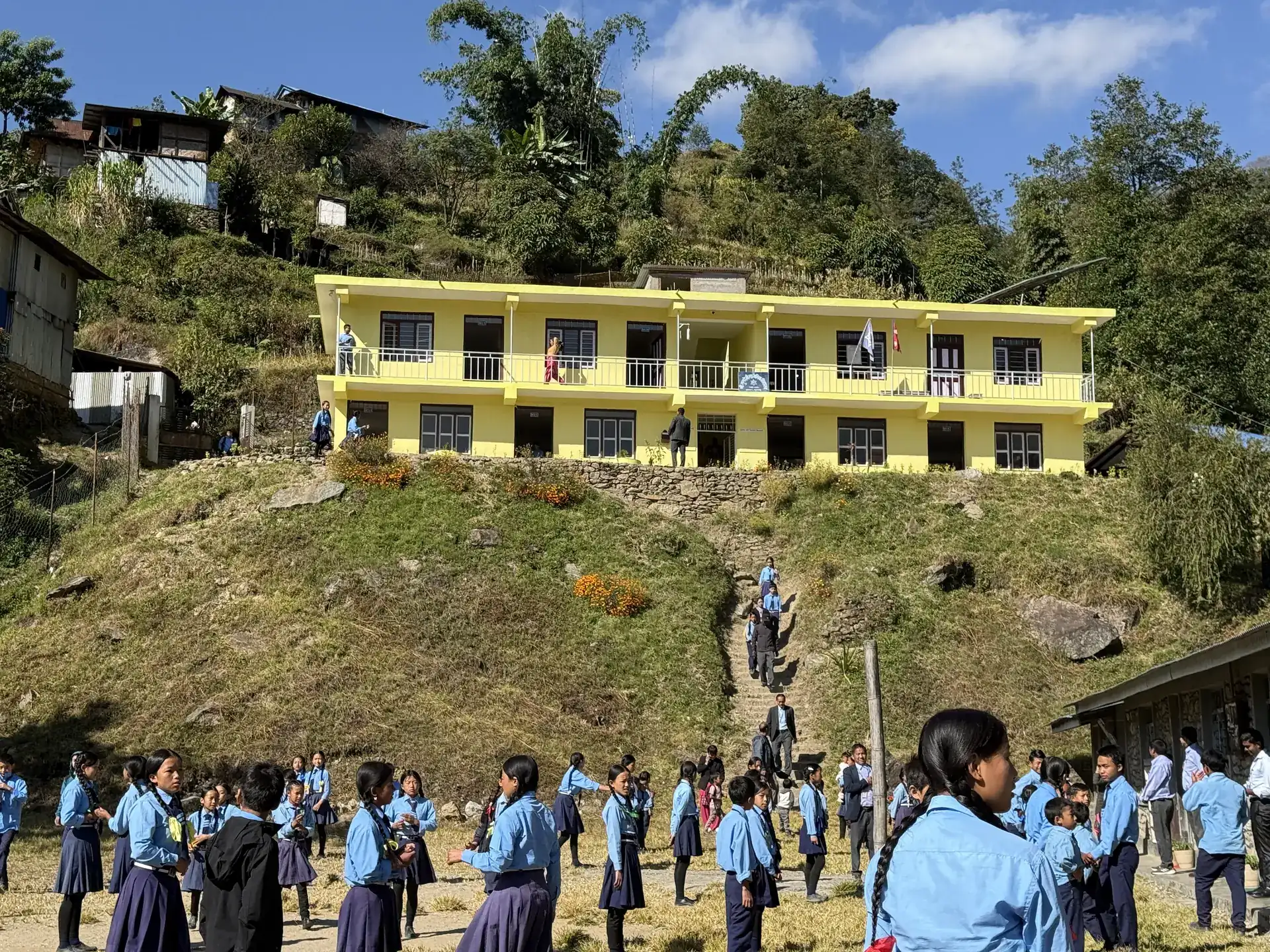
NSO & UNICEF · Nepal MICS 2024–25Samarthya Foundation supports school communities in eastern Nepal through teacher development, child rights, school capacity strengthening, and inclusive, safe learning environments.
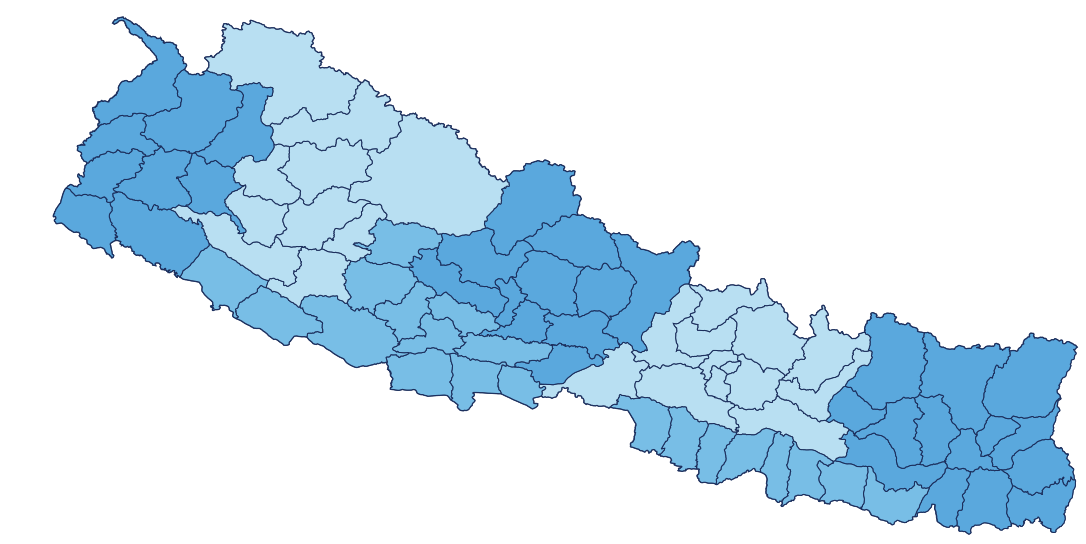
Map base: New Map of Nepal District and Province.svg by Sagarjkhatri, Wikimedia Commons, CC BY-SA 4.0; adapted with working-area highlights.
Our focus: We work with local school systems so children can learn in safer, more inclusive, and better-supported classrooms.
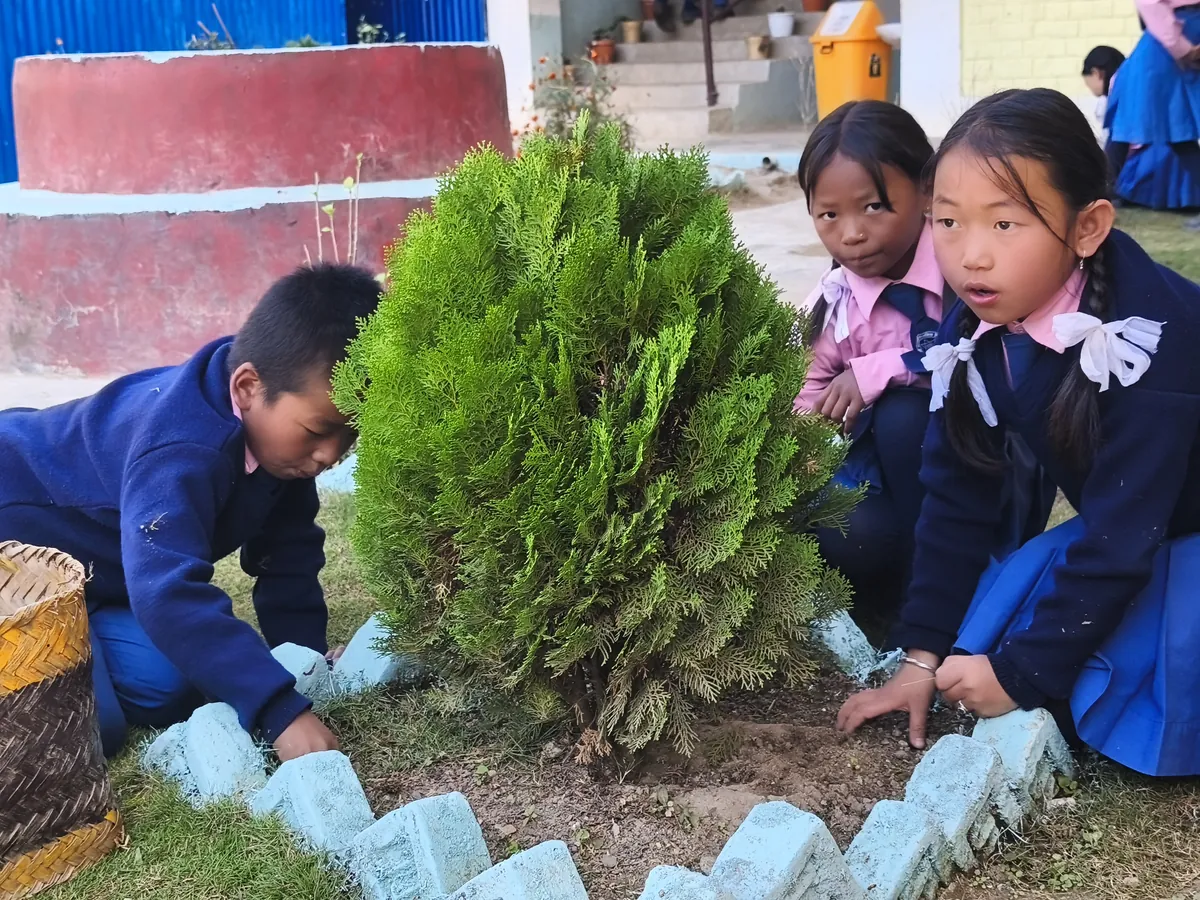
Strengthening teaching, school leadership, student support, and learning environments in Taplejung.
Explore Project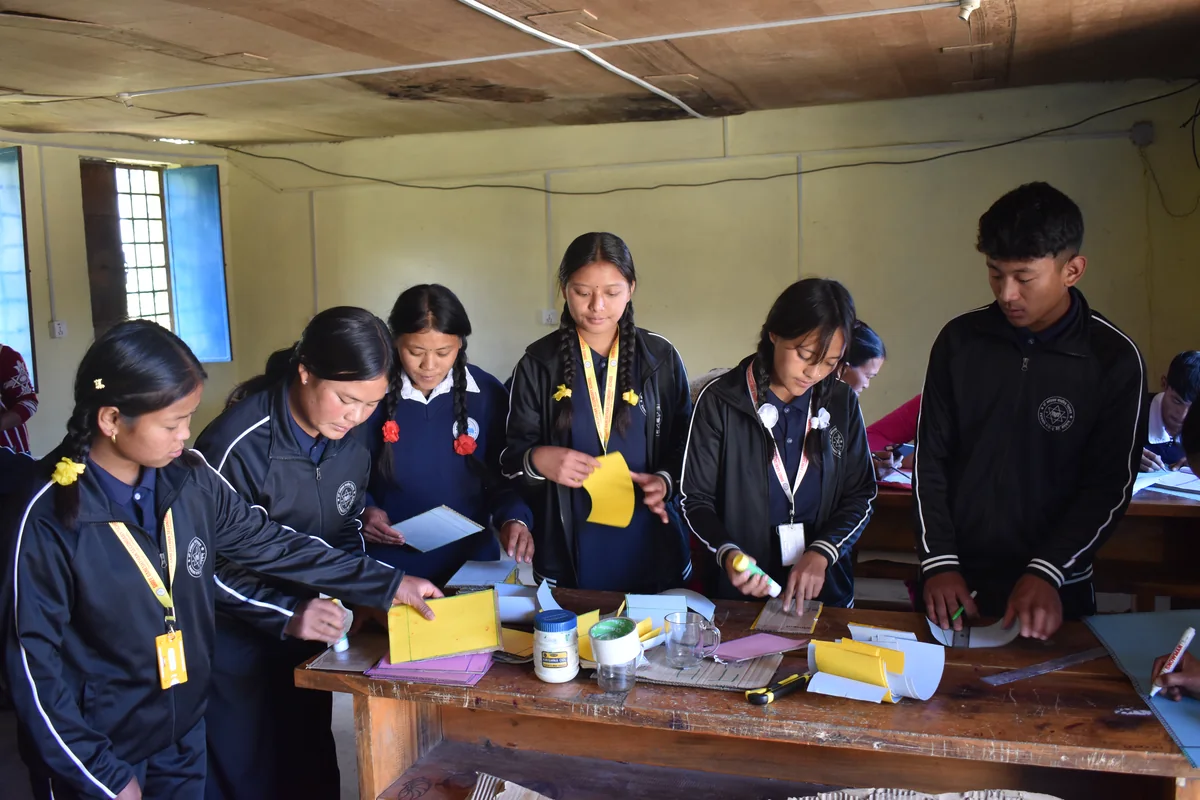
Improving quality education, child protection, participation, inclusion, and child-friendly local governance in Khotang and Solukhumbu.
Explore Project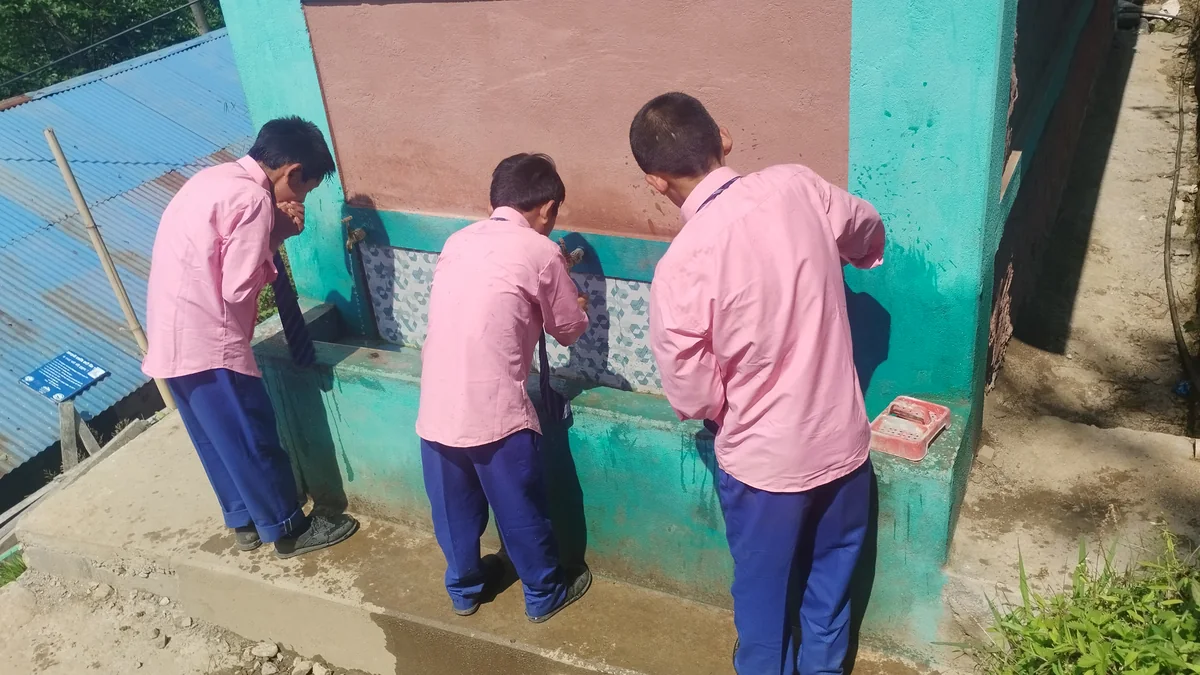
Improving school infrastructure, WASH, learning resources, scholarships, and educational opportunities in Taplejung.
Explore ProjectWe work with schools, communities, and local governments to strengthen education in ways that are practical, locally owned, and built to last.
Local communities help shape priorities, decisions, and solutions.
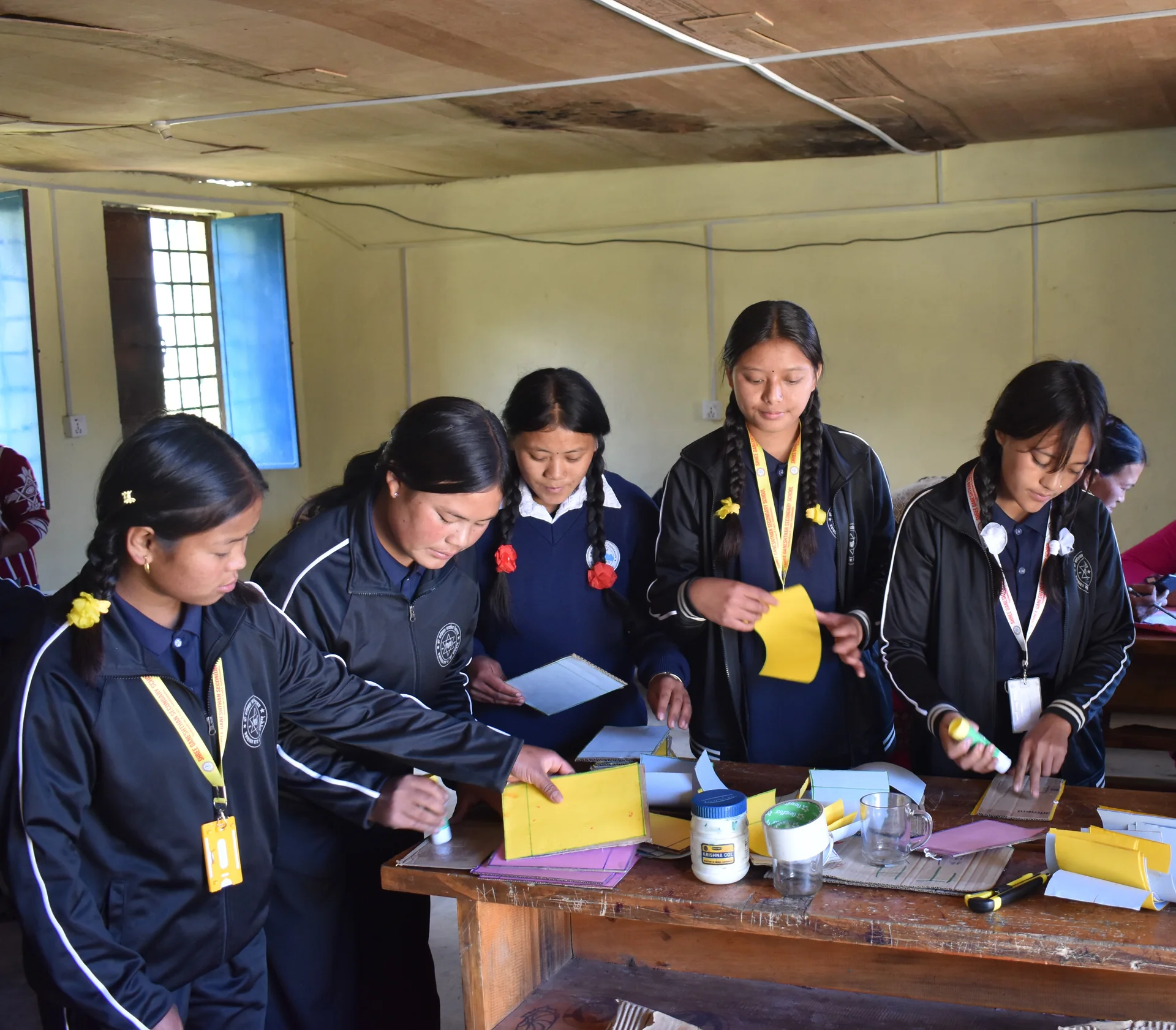
We work directly with schools to strengthen teaching, learning environments, leadership, and student support.
Our programmes respond to the needs, context, and realities of the communities where we work.
We focus on lasting improvements by strengthening local skills, systems, and ownership.
Meet the students, teachers, parents, and school leaders creating change in their communities.

Chandramani’s journey shows how persistence, mentoring, and professional support can shape a committed school leader.
Read Chandramani’s Story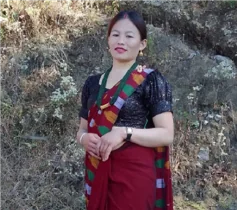
Discover how Jina supports Mahendra Basic School through parental leadership, practical contributions, and community participation.
Read Jina’s Story
Scholarship support helped Chheten pursue healthcare training, build an independent career, and serve her remote community.
Read Chheten’s Story
Through active school leadership, community mobilisation, and regular engagement with students and teachers, Indra is helping create a stronger and more supportive learning environment.
Read Indra’s StoryOur work is made possible through partnerships built around shared goals, local leadership, and accountability.

